Solutions by modality
The same TFF skid that works for monoclonal antibodies will tear apart a viral vector. Alphinity equipment is engineered around the modality being made, not the modality biopharma made twenty years ago.
Built around the science
When equipment is designed for one modality but used on another, the process pays for the mismatch. Conventional pumps shear capsids. Standard TFF skids cavitate lipid nanoparticles. Stainless multi-use systems over-engineer single-batch autologous workflows. Alphinity equipment is engineered around the modality being made: its molecular fragility, the chemistry it tolerates, the scales it actually runs at, and the regulatory frame it ships under. Six modalities. One architecture. The fluid-handling layer that the science actually needs.
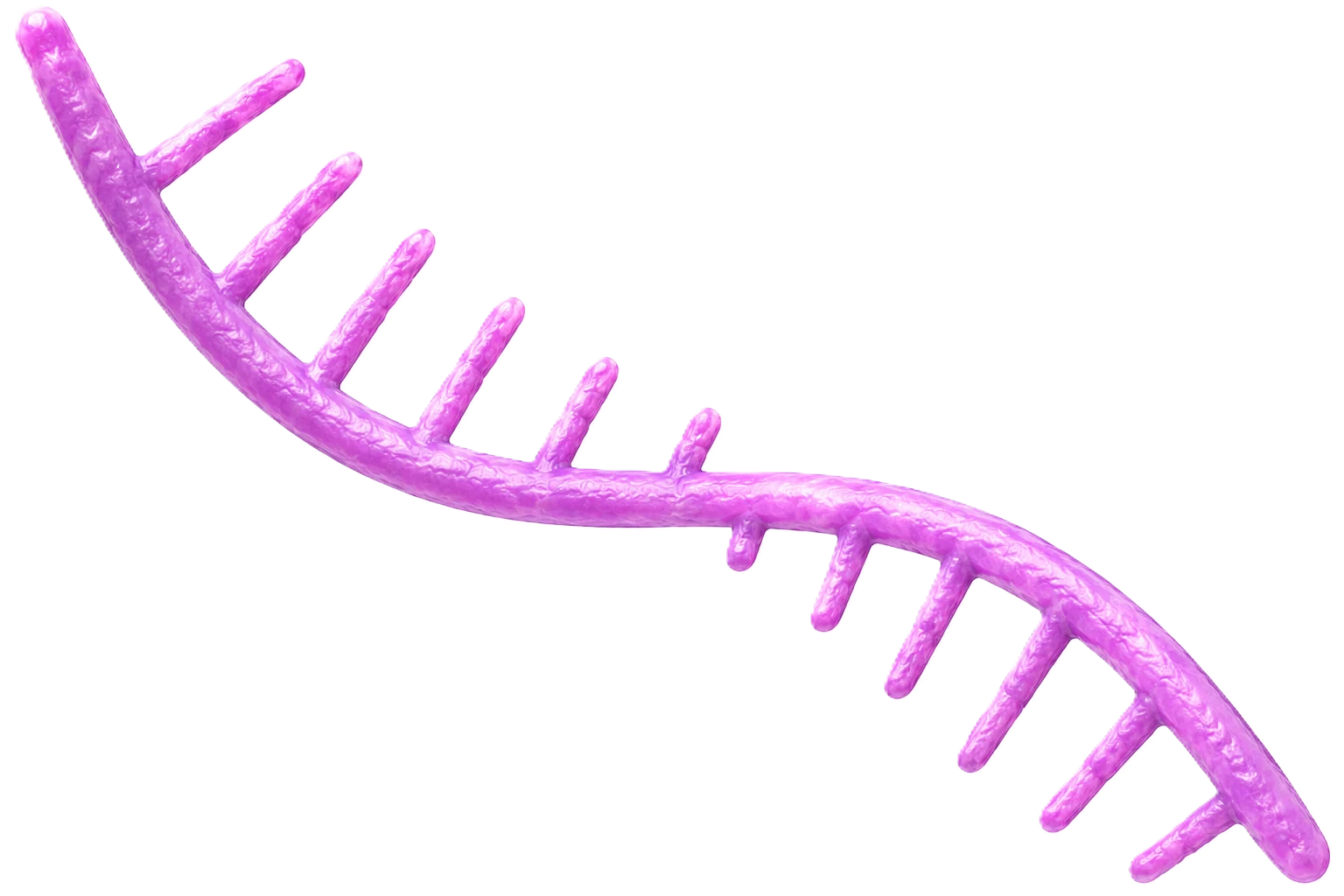
mRNA
The challenge
mRNA's stability window is short. Hold times degrade product. Temperature excursions degrade product. Buffer composition outside a narrow band degrades product. Conventional fluid handling layers in time, heat, and pH risk at every transition, and the molecule pays for each one.
The Alphinity approach
Sterile filtration, concentration, and buffer exchange engineered around the chemistry. Flow paths that minimize hold time. Buffer dilution that delivers formulated buffer at the point of use instead of pulling it from a hold tank. The architecture treats time as a controlled variable, not a downstream concession.
Relevant equipment
Lipid nanoparticles
The challenge
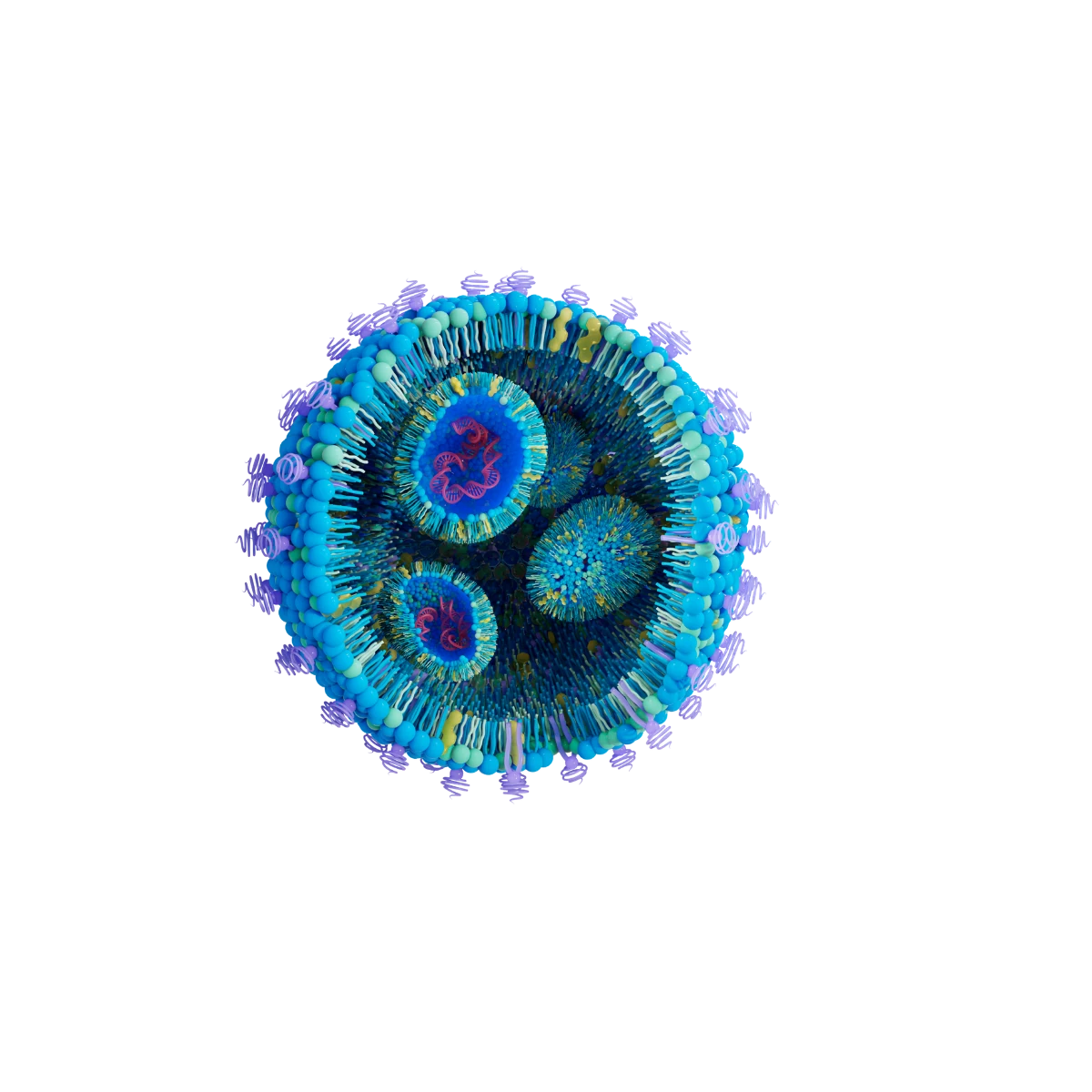
LNPs encapsulate the active payload. The bilayer is held together by lipid chemistry, not covalent bonds. Shear damages it. Pulsation breaks it. Both translate directly to lost payload and to product that no longer behaves the way the formulation was designed to behave.
The Alphinity approach
Shear and pulsation managed at the architecture level, not patched in flow conditioning downstream. PIXER's near-pulseless diaphragm flow profile. TFF that concentrates without compromising the bilayer. Buffer dilution that handles ethanol-bearing streams without phase-separation risk.
Relevant equipment
Cell and gene therapy
The challenge
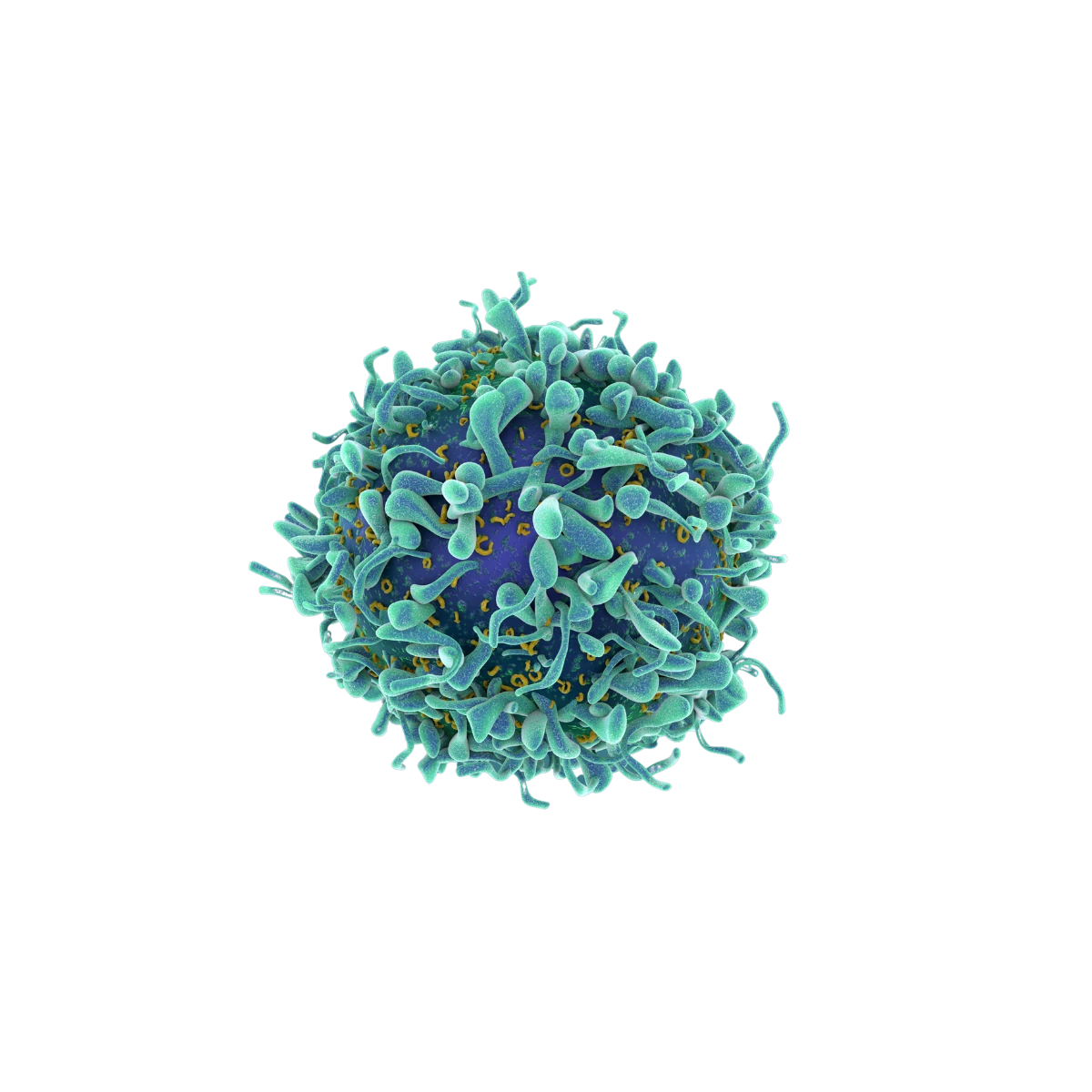
Cell and gene therapy runs at scales that conventional bioprocessing equipment treats as an afterthought. Autologous workflows are single-patient batches. Allogeneic workflows are short campaigns. Equipment sized for 2,000-liter mAb runs over-engineers everything that matters: footprint, changeover, single-use compatibility, GMP closure.
The Alphinity approach
Small-batch, closed-system compatible, autologous-friendly equipment. P0 and P10 PIXER pump scales designed for the mL-to-L range. TFFi small-format that runs from 30 mL through bench. Architecture that does not penalize the small batch for being small.
Relevant equipment
Proteins and mAbs
The challenge
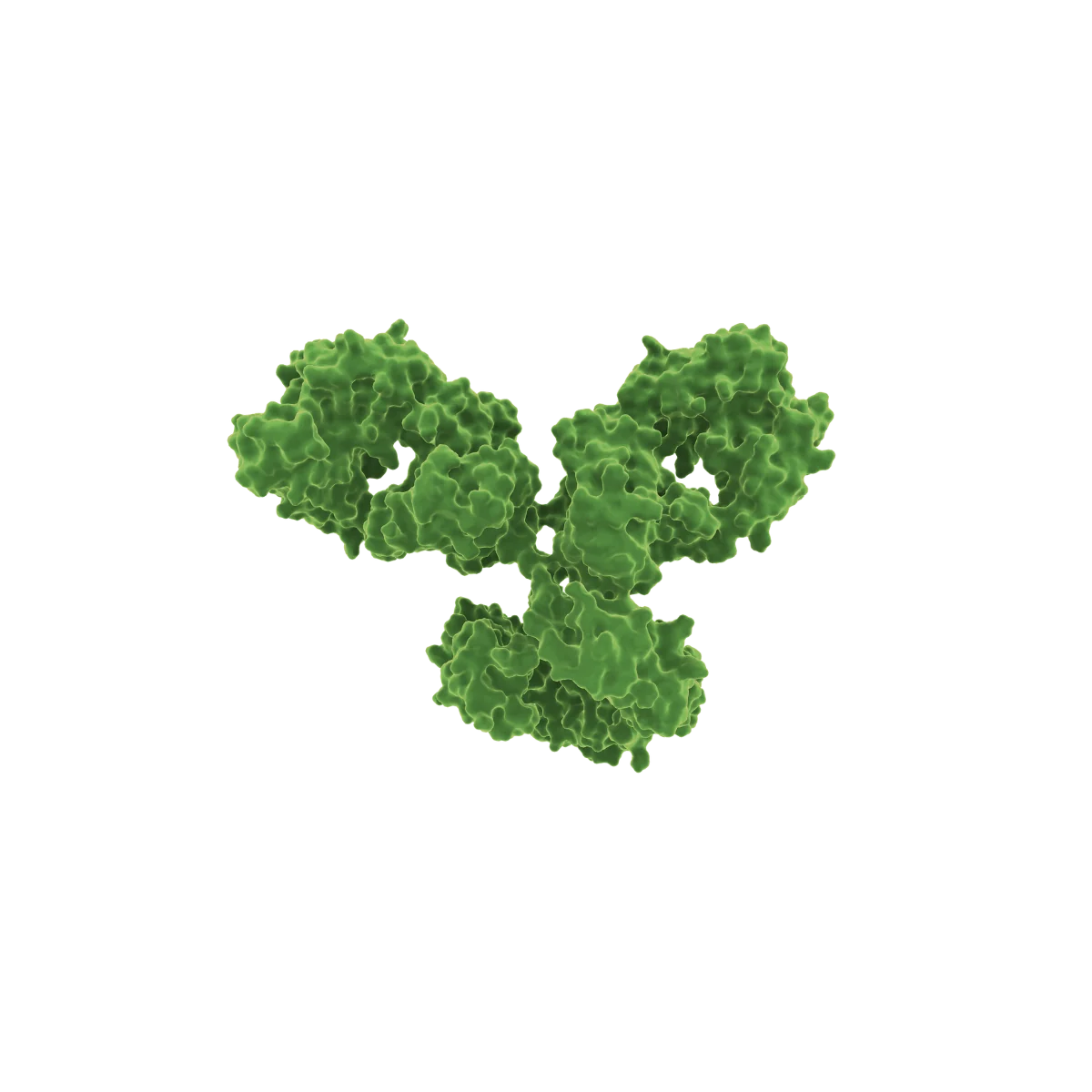
Recombinant proteins and monoclonal antibodies are the established workflow, but the legacy equipment is multi-use stainless, large footprint, and slow changeover. The disruption point is not the molecule. It is the manufacturing layer underneath it: speed, flexibility, single-use economics at full scale.
The Alphinity approach
Single-use TFF, low-shear pumping, and process equipment for recombinant proteins and monoclonal antibodies at every scale, from process development through commercial. Same wetted-path components across the size range. The scale-up cost is engineered out at the architecture level.
Relevant equipment
Plasmid DNA
The challenge
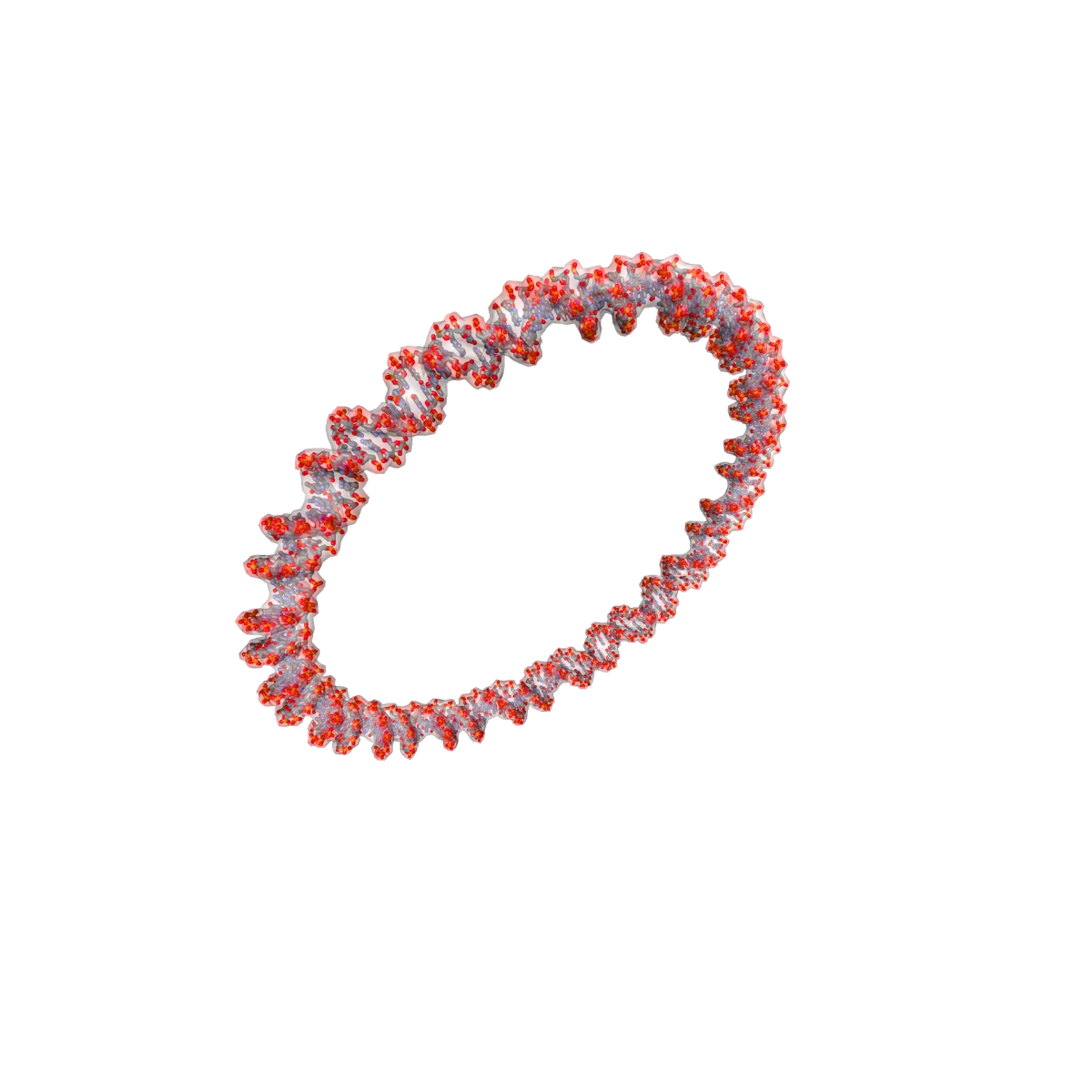
Plasmid DNA is the foundational input for viral vector and mRNA production. It is also shear-sensitive at its molecular size. Yield matters because pDNA gates every downstream program that depends on it. The cost of inefficiency at this step is paid for many times over.
The Alphinity approach
TFF and filtration for GMP plasmid production at the scale and purity downstream programs depend on. Architecture that handles the molecule size without fragmenting it. Single-use across the train so cross-contamination risk is removed from the equation.
Relevant equipment
The common layer
The same Alphinity equipment family runs all six modalities. Different process parameters, different flow rates, different buffers, but the same single-use, low-shear, scalable architecture underneath. That matters for facilities running mixed pipelines: one fluid-handling standard, one supplier relationship, one regulatory file across the modality portfolio. The molecule changes. The equipment principle does not.
Speak to engineering
Send us the modality, the scale, and the constraint you're trying to engineer around. We will come back with a proposed configuration, a target product family, and the path to a demo or a Prove-It campaign.