Bioprocessing Fundamentals
Pump science. Valve engineering. TFF science. Written by the engineers who build the equipment, for the engineers who specify and run it. Three disciplines that determine whether a single-use system performs the way the molecule needs it to.
The disciplines
Each discipline has its own depth, its own variables, and its own consequences for the modalities Alphinity serves. Pick a starting point.
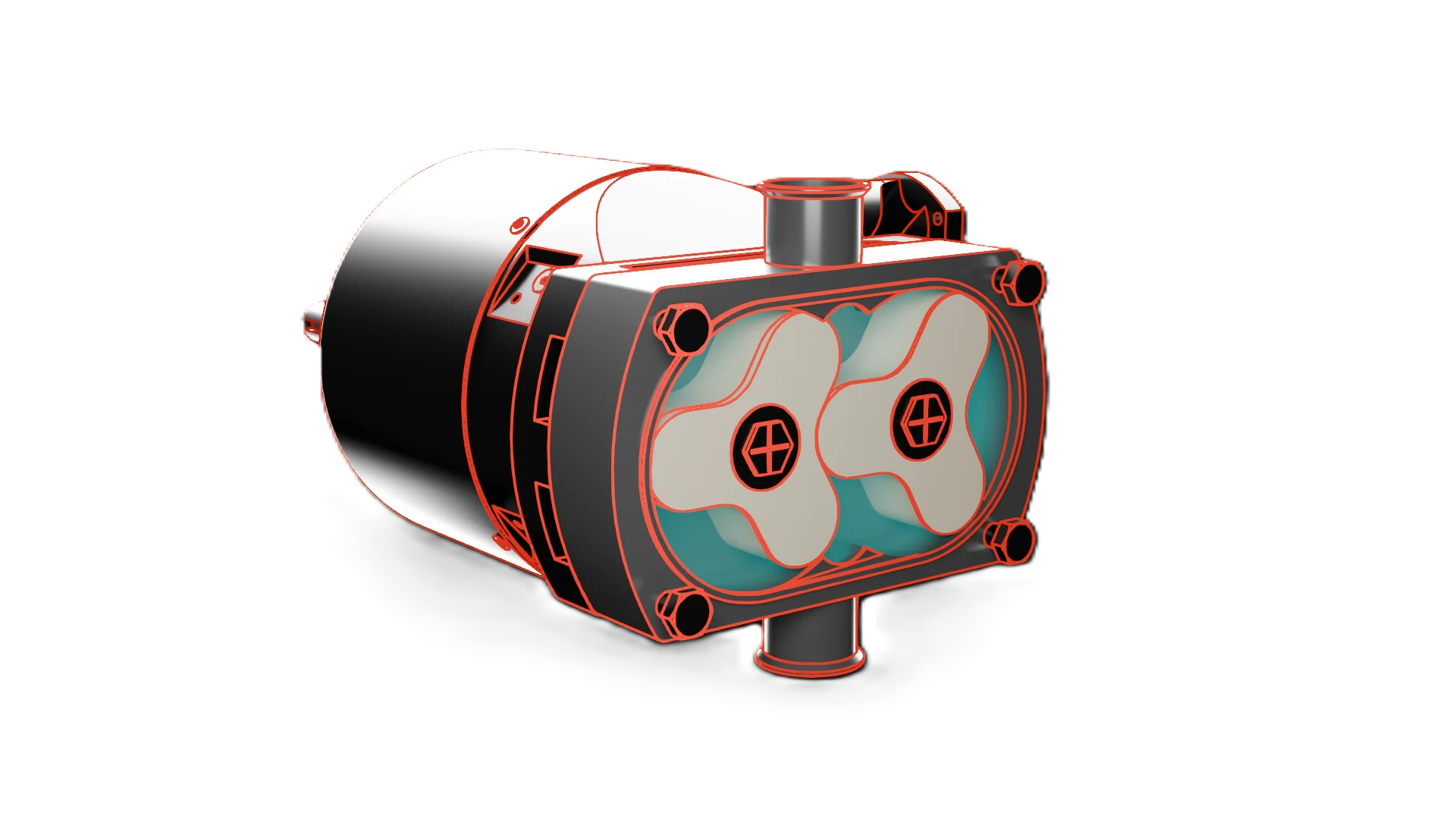
Positive displacement, shear, pulsation, viscosity, and the relationship between pump architecture and what survives the transfer. The discipline behind why peristaltic does not equal diaphragm.
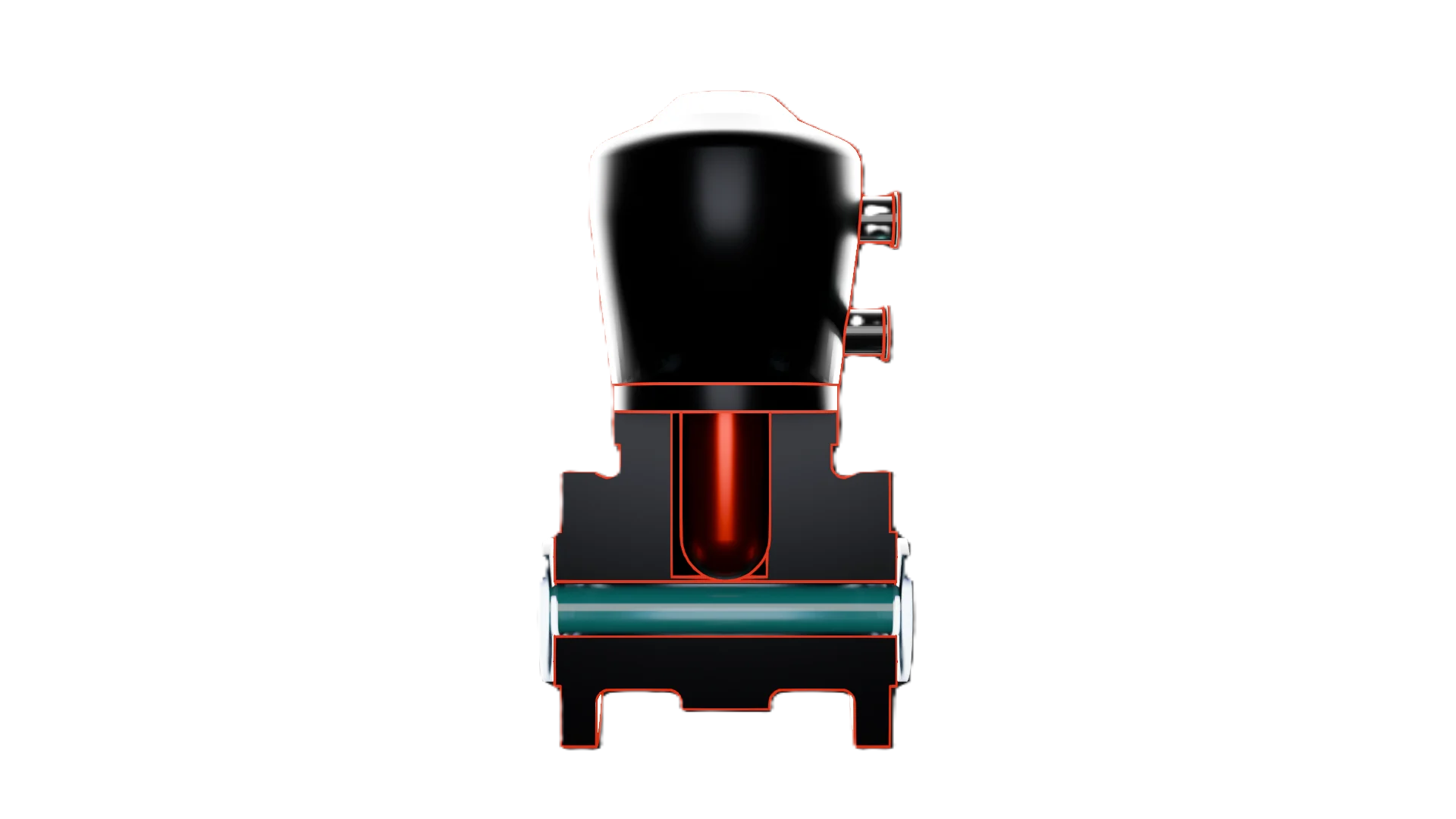
Diaphragm versus pinch architecture, hold-up volume, dead leg risk, actuation envelopes, and the relationship between valve closure dynamics and process control. The discipline behind clean transitions between unit operations.
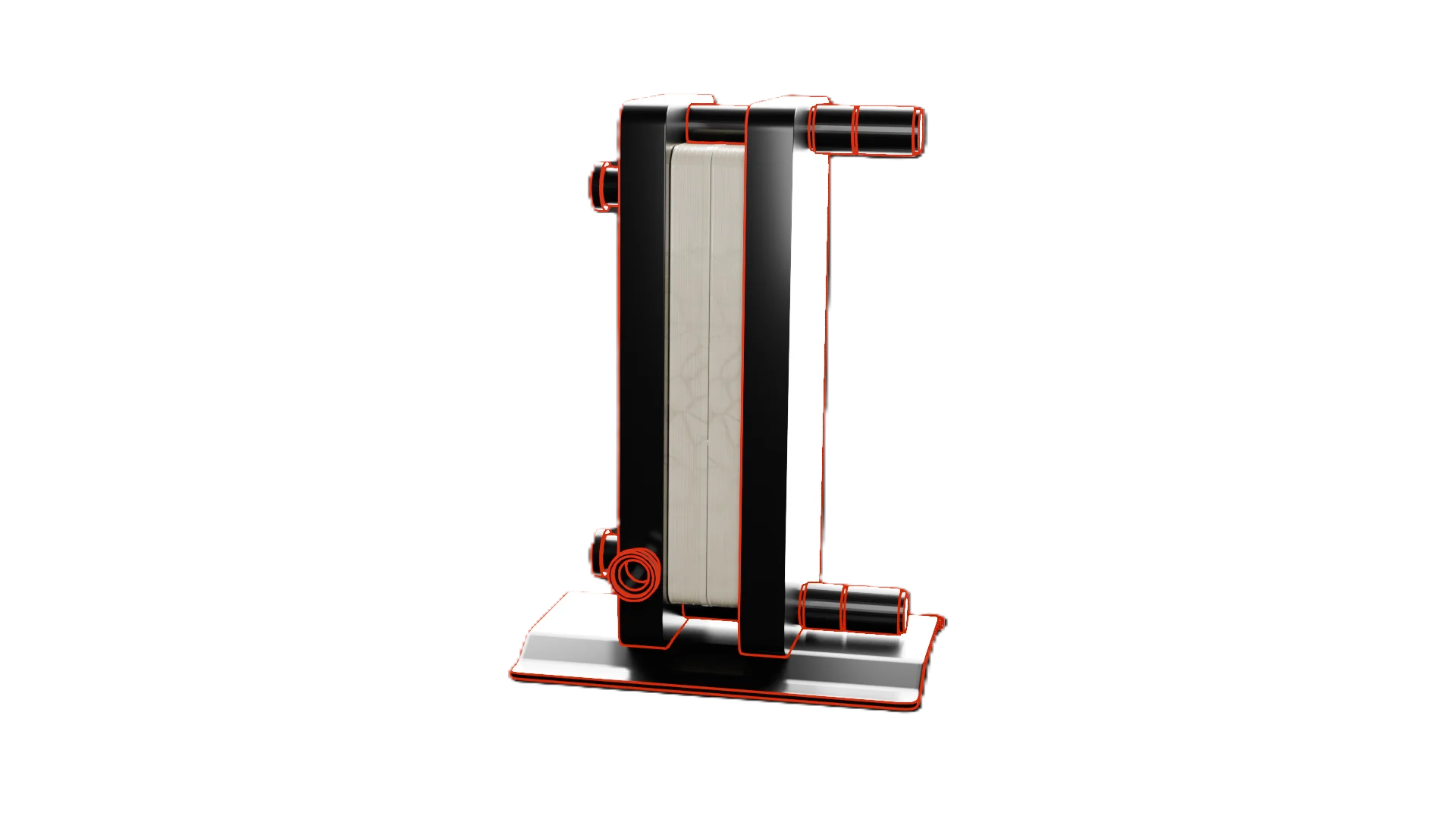
Transmembrane pressure, concentration polarization, flux decline, gel layer dynamics, and why TFF skid architecture changes everything downstream. The discipline behind concentration and diafiltration on fragile modalities.
Common questions
One-paragraph answers for readers arriving from a search query. The full explanation lives on each discipline's pillar page.
A peristaltic pump moves fluid by compressing flexible tubing against a rotor; a positive displacement diaphragm pump moves fluid by displacing a fixed volume in a chamber on each cycle. The two architectures produce very different shear profiles, pulsation behavior, and stability at low flow rates. Read pump science.
Hold-up volume is the fluid retained inside a valve, fitting, or assembly after it is supposed to be empty. In small-batch and autologous workflows, hold-up volume is product loss. The valve architecture and the geometry of the flow path determine how much is lost on every transition. Read valve engineering.
TMP determines flux through the membrane and the formation of the concentration polarization layer. When pulsation or pump instability creates noise in the TMP signal, the control loop oscillates, flux becomes inconsistent, and membrane fouling accelerates. Holding TMP steady is the operational variable that everything downstream depends on. Read TFF science.
A bioprocess is a chain of unit operations. Pumps deliver flow, valves direct it and isolate sections of the train, TFF skids concentrate and diafilter. A failure in any one of the three propagates downstream. Equipment selection is a system question, not a component question. Talk to engineering.
Apply this in your process
Send us the modality, the scale, and the engineering variable you are trying to engineer around. We will come back with a configuration, the physics behind it, and the path to a demo or a Prove-It campaign.
Speak to an engineer ›