The usual question is which pump is gentlest. It is the wrong question. Gentleness is not one property. A pump does not have a single damage output; it has a set of damage mechanisms, fixed by its architecture, and your product is not equally sensitive to all of them. The pump that is close to ideal for a monoclonal antibody can be the wrong choice for a lentiviral vector. Not because one is gentler. Because they fail differently.
What actually damages product in a pump?
Four mechanisms account for almost all pump-induced product damage. They are independent of each other, and a given architecture may carry all four, or as few as one.
Shear
Velocity gradients within the fluid pull on whatever is suspended in it. Proteins unfold and aggregate, viral envelopes strip, cell membranes rupture, and large molecules break.
Reducible, never removableParticle generation
Repeated compression of a tubing wall sheds material into the flow path. The particles are the tubing, not the product, and they travel downstream with it.
Removable by architecturePulsation
Pressure oscillation with every cycle of the pump. It rarely destroys product on its own. It destabilizes the process around the product.
Reducible, sometimes near-eliminatedCavitation
Vapor bubbles form when local pressure falls below the vapor pressure of the fluid, then collapse violently. The energy released is destructive to anything nearby.
Removable by architectureThe last line of each card is the part that gets skipped. Two of these four can be designed out. Not reduced, removed.
Tubing cannot shed particles if there is no tubing in the flow path. A pump cannot cavitate if its chamber fills from above and it never has to pull a suction lift. Shear is different. Shear can only be lowered, because any fluid in motion has velocity gradients somewhere.

Eliminate what can be eliminated. Then manage what is genuinely irreducible.
Which mechanisms does each architecture carry?
Architecture, not brand, decides which mechanisms are present. A peristaltic pump generates particles because of how it works, not because of how well it is made.
| Architecture | Shear | Particles | Pulsation | Cavitation risk |
|---|---|---|---|---|
| Peristaltic | Moderate, concentrated at the occlusion | High, inherent to the mechanism | High | Low to moderate |
| Centrifugal | High at the impeller | Low | Very low | Moderate |
| Rotary lobe | High at the lobe clearance | Low | Moderate | Moderate |
| Diaphragm, even count | Low | Low | Low, but harmonically reinforced | Depends on inlet design |
| Diaphragm, odd radial | Low | Low | Lowest, harmonics cancel | None if gravity-flooded |
Two rows need a note. An even diaphragm count puts diaphragms in direct opposition, and opposing pairs reinforce the same pressure harmonics. The problem is the symmetry, not the number. No amount of tuning removes it. An odd radial count breaks the symmetry, so even-order harmonics cancel instead of adding up. How Diaphragm Pumps Work covers the geometry.
The cavitation column is the one people assume rather than check. A pump asked to lift fluid has a suction side, and a suction side can starve. Starvation is where cavitation begins. A pump whose chamber fills from above never develops suction lift at all, so the mechanism is simply not present. See NPSH and Suction-Side Starvation.
What breaks each modality?
Now the other half. Every product class has a dominant failure mode. It is never the same one.
| Modality | What fails first | How it shows up |
|---|---|---|
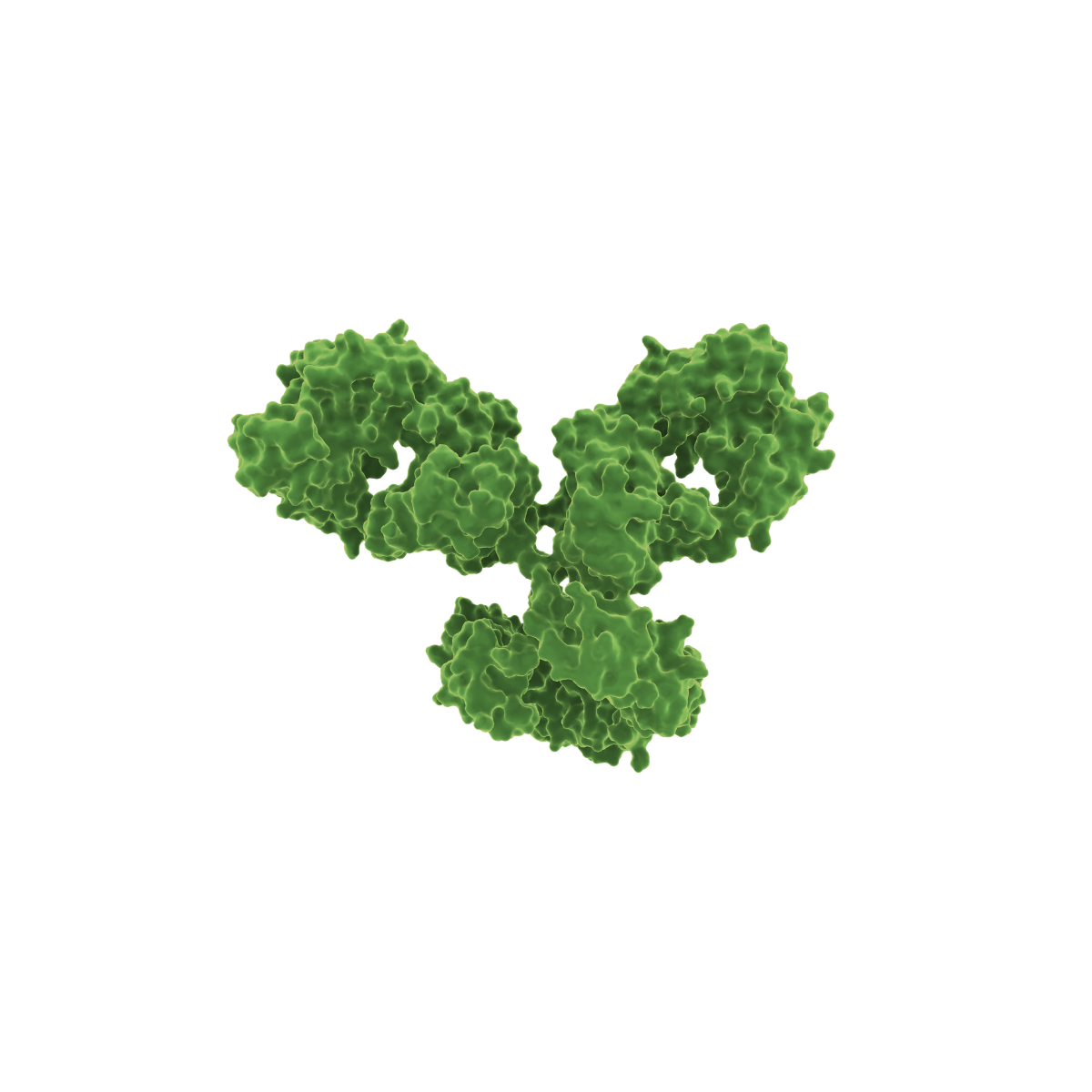
| mAbs and proteins | Shear-induced unfolding and aggregation, worsening sharply as concentration rises | Aggregate levels by SEC, charge variants, viscosity-driven flow loss at the end of UF/DF |
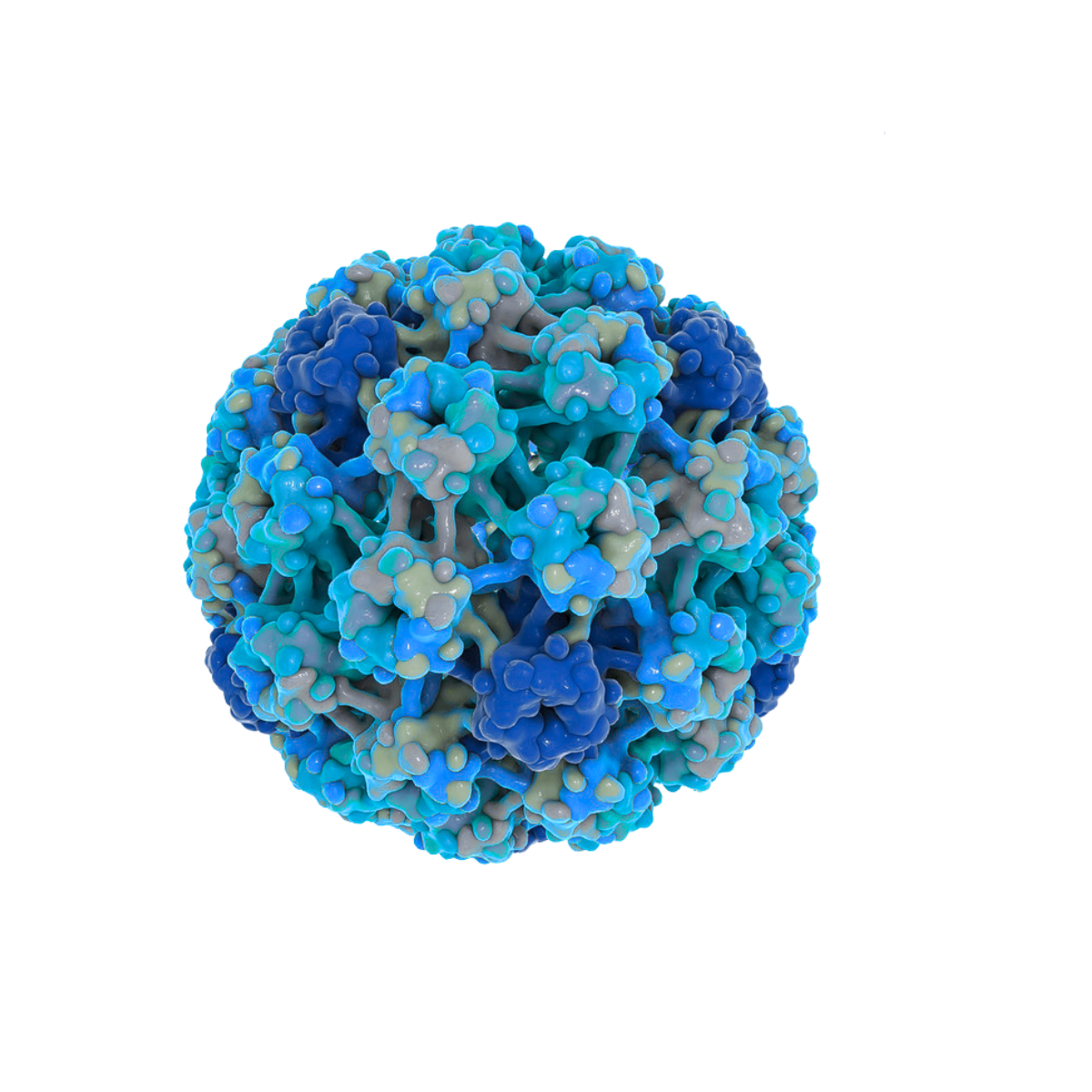
| Viral vectors | Capsid damage and envelope stripping. Enveloped vectors are the most fragile | Functional titer falls while physical titer holds. A yield number alone hides it |
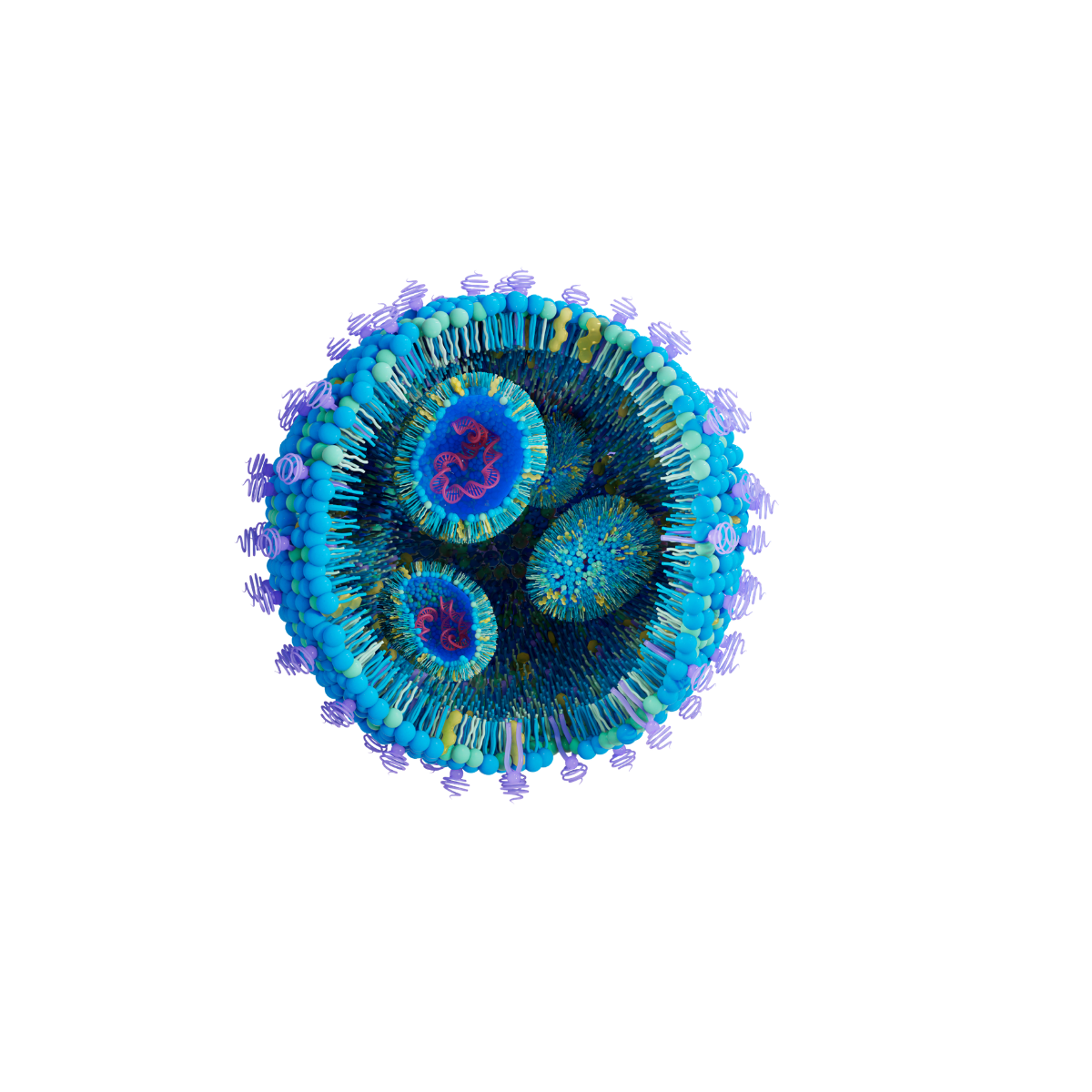
| Lipid nanoparticles | Mechanical energy shifts particle size and polydispersity, and can leak payload | Size and PDI drift, encapsulation efficiency falls, aggregation |
| Cell therapies | Membrane rupture from shear and from physical compression | Viability and potency drop, not just count. Debris and released DNA foul downstream steps |
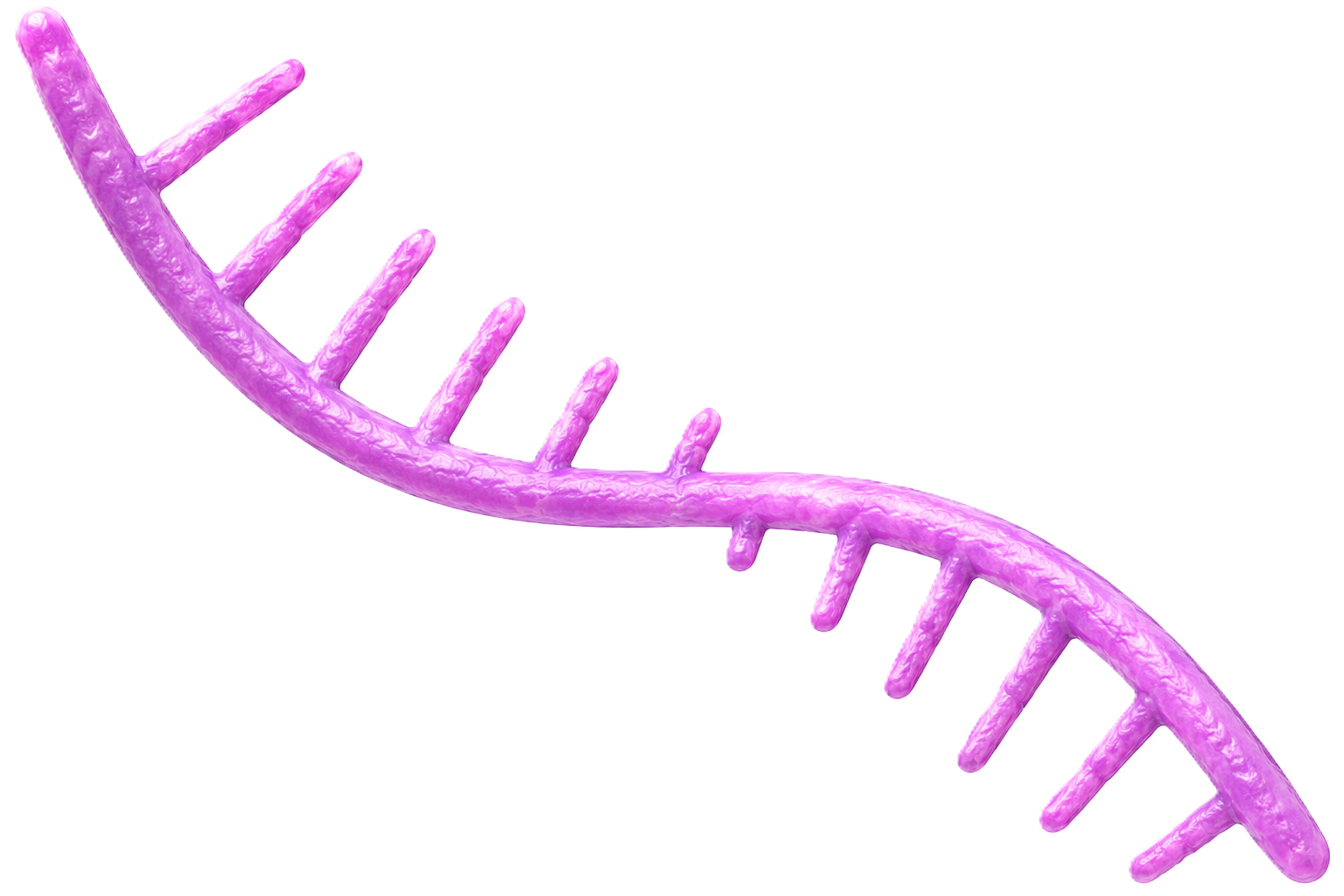
| Plasmid DNA | Chain scission. Supercoiled plasmid converts to open circular or linear | Isoform ratio shifts. Mass is preserved, so yield passes and release can fail |
Two of these are worth dwelling on, because both defeat a yield check.
With viral vectors, physical titer counts particles and functional titer counts particles that still work. Mechanical stress can disable a particle without destroying it, so the count stays where you expect while potency quietly falls. If the only number being watched is recovery, the damage is invisible until the assay comes back.
With plasmid DNA, breaking a supercoiled molecule does not remove any mass from the process. It changes what the mass is. That is a critical quality attribute moving, not a loss, and it will not appear in a mass balance at all.
If yield is the only thing you measure, you cannot see the two failure modes that do not cost you any yield.
How do architecture and modality map together?
Put the two halves side by side and the selection logic becomes mechanical rather than intuitive. For each modality, the question is which mechanism it is most sensitive to, and then which architectures carry that mechanism.
| Modality | Mechanism that matters most | Architectures that carry it |
|---|---|---|
| mAbs and proteins | Shear at high concentration, plus suction-side starvation as viscosity climbs | Centrifugal and rotary lobe for shear. Any pump with a lifted inlet for starvation |
| Viral vectors | Shear | Centrifugal, rotary lobe, and the occlusion zone of a peristaltic |
| Lipid nanoparticles | Shear and pressure cycling together | Centrifugal for shear. Peristaltic and even-count diaphragm for cycling |
| Cell therapies | Compression and cavitation, then shear | Peristaltic for compression. Any starved inlet for cavitation |
| Plasmid DNA | Shear | Centrifugal, rotary lobe, peristaltic occlusion |
Read down the middle column and a pattern appears. Shear is the common enemy, but it is never the only one, and for two modalities it is not even the first thing to solve. For cell therapy, compression and cavitation do more damage than shear does. For LNPs, pressure cycling matters as much as peak shear, because the particle population responds to how many times it is stressed rather than only how hard.
What does this change about how you select a pump?
Three things.
Stop asking for the gentlest pump. Ask which mechanism your product breaks under, then ask whether the architecture in front of you contains that mechanism. A specification that says low shear has answered one quarter of the question.
Take the free eliminations first. If particle generation and cavitation can be removed by architecture rather than managed by procedure, remove them. A failure mode that cannot occur has no operating window. No maintenance schedule. No validation burden. Nothing to trend, nothing to deviate. That is a different class of answer from reducing a risk, and it is worth more than it usually costs.
Treat pulsation as a process problem, not a product problem. It rarely damages product in a single event. It cycles transmembrane pressure in filtration, which drives fouling and concentration polarization, and it adds noise to inline sensors so control loops chase an oscillation instead of a trend. The damage arrives as a longer process and more total exposure. See Shear and Mechanical Stress in TFF.
None of this makes selection harder. It makes it shorter, because most of the field eliminates itself once you have named the mechanism you actually care about.
Common questions
Which pump is gentlest for fragile biologics?
There is no single gentlest pump, because gentleness is not one property. A pump carries a set of damage mechanisms determined by its architecture: shear, particle generation, pulsation and cavitation. The right question is which of those your product is sensitive to, and whether your architecture contains that mechanism at all.
Why does viral vector functional titer drop when physical titer looks normal?
Physical titer counts particles. Functional titer counts particles that still work. Mechanical stress can damage a capsid or strip an envelope without destroying the particle, so the count stays high while potency falls. A yield number alone will not show it.
Does pump pulsation damage product directly?
Usually not. It damages product indirectly by destabilizing the process. In tangential flow filtration it cycles transmembrane pressure, which drives fouling and concentration polarization, and it adds noise to inline sensors. The cost arrives as longer processing time and more exposure.
Which damage mechanisms can be eliminated by pump choice?
Two. Particle generation from tubing compression cannot occur if there is no tubing in the flow path. Cavitation cannot occur if the inlet is gravity-flooded and never develops suction lift. Shear can only be reduced, because any moving fluid has velocity gradients.
Is plasmid DNA more shear sensitive than protein?
It is sensitive differently. Plasmid DNA is a very large molecule, and mechanical stress can break supercoiled plasmid into open circular or linear forms. That is a change in a critical quality attribute rather than a loss of mass, so it can pass a yield check and fail a release assay.
Where to read next
The four architectures side by side, and what matters more than the flow rate.
Why diaphragm count changes the flow profile, and why symmetry is the problem rather than the number.
Why the most valuable fluid in the process is often the hardest one to move.