Process Design
Pumps, valves and filtration are chosen one at a time, but they run as one process. Process Design covers the decisions that sit across all three: platform, closure, scale, run time and the data the equipment produces.
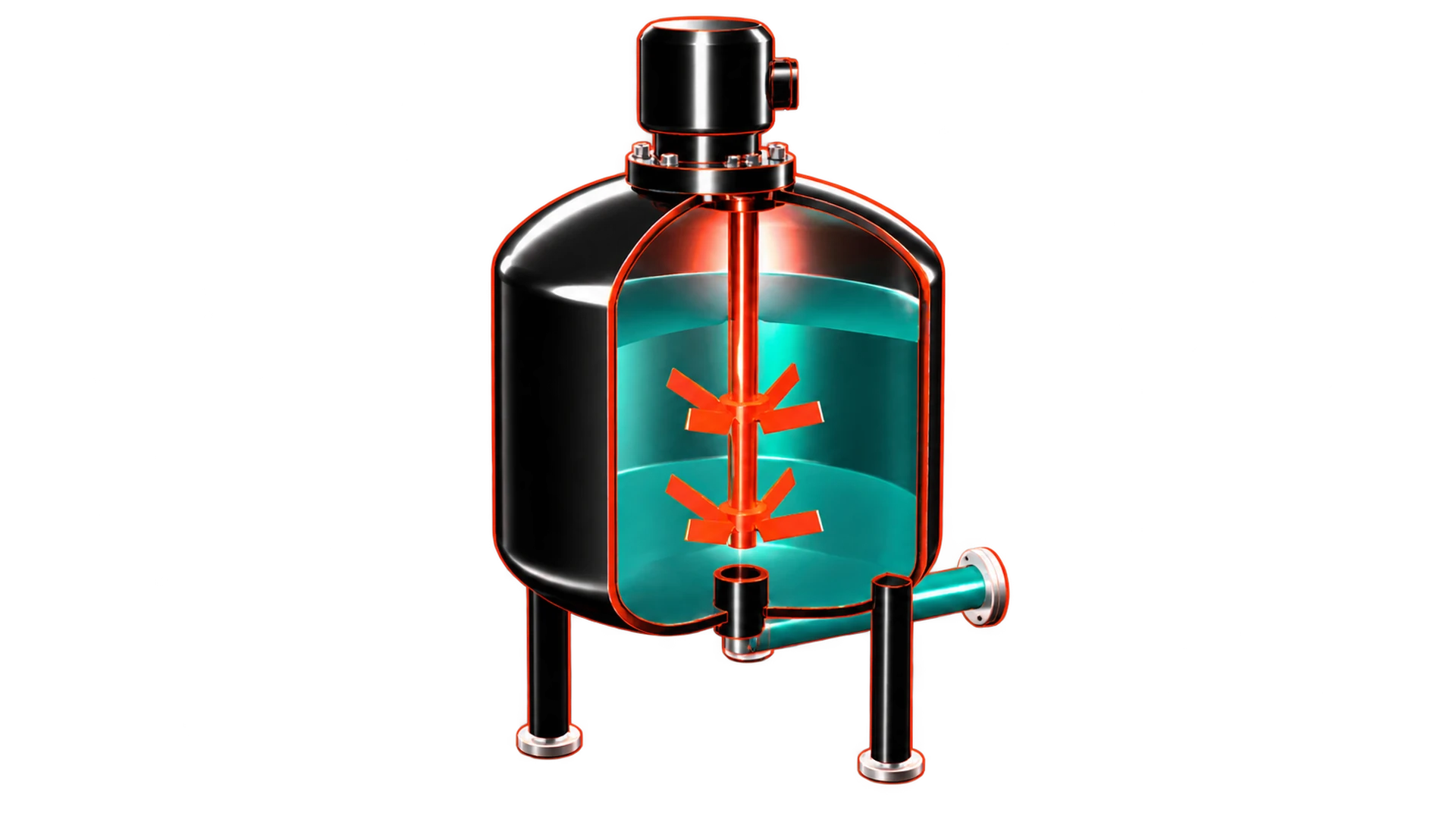
Three paths through the same discipline. Start where you are, and go as deep as the process demands.
Choosing the platform
Single-use, stainless, or both, decided step by step.
Closure and the fluid path
Where closed systems open up, and how fragile product moves through the train.
Scale, run time and data
What changes with scale, with weeks of runtime, and with equipment that reports on itself.
What is process design in bioprocessing?
Process design is how the unit operations, and the equipment inside them, are chosen and connected so the whole train performs. Pump, valve and filtration choices interact, so a fluid path designed as one system protects the molecule better than components chosen one at a time.
When does single-use make more sense than stainless steel?
Single-use suits frequent product changeover, smaller batches, multi-product facilities and fast start-up. Stainless suits long campaigns of one product at large scale. Many facilities use both, choosing per unit operation rather than for the whole plant.
What makes a process closed?
A closed process keeps the product isolated from the room environment from start to finish. In practice the weak points are connections, sampling and transfers, so a closed design depends on how those are made, not only on the equipment itself.
How does continuous operation change equipment requirements?
Continuous runs last days or weeks with steps coupled together, so there is no break to inspect or replace parts. Equipment has to hold performance over the full run and report its own condition. Read the continuous bioprocessing article.
Designing a fluid path across several unit operations?
Talk it through with our engineers